The Circular by Nature White Paper comes from researchers Kelly McClean, Louise Nash and Samantha Walmsley-Bartlett. It sets out the potentially transformative benefits of a fundamental shift in how we use resources. In a circular economy, resources aren’t abandoned to become waste and pollution. They’re carefully managed in cycles of reuse.
The report draws on interviews with more than 100 people. This includes representatives from businesses, iwi and community groups. This was accompanied by a comprehensive review of previous related research. Together, the findings point to how this approach could reshape Aotearoa. It outlines the steps that could make that happen. This includes the creation of a national plan backed with much stronger government support.
It adds to a growing debate around a big question. How do we move from a throwaway economy to one that keeps resources in use?
The paper calls for three steps:
- A Circular Futures Activation Group would help drive the work.
- A National Circular Economy Framework would set a shared direction.
- Circular goals being integrated with policy, planning and rules.
The proposals look beyond single projects. They seek to make the better use of resources a key part of how the country works.
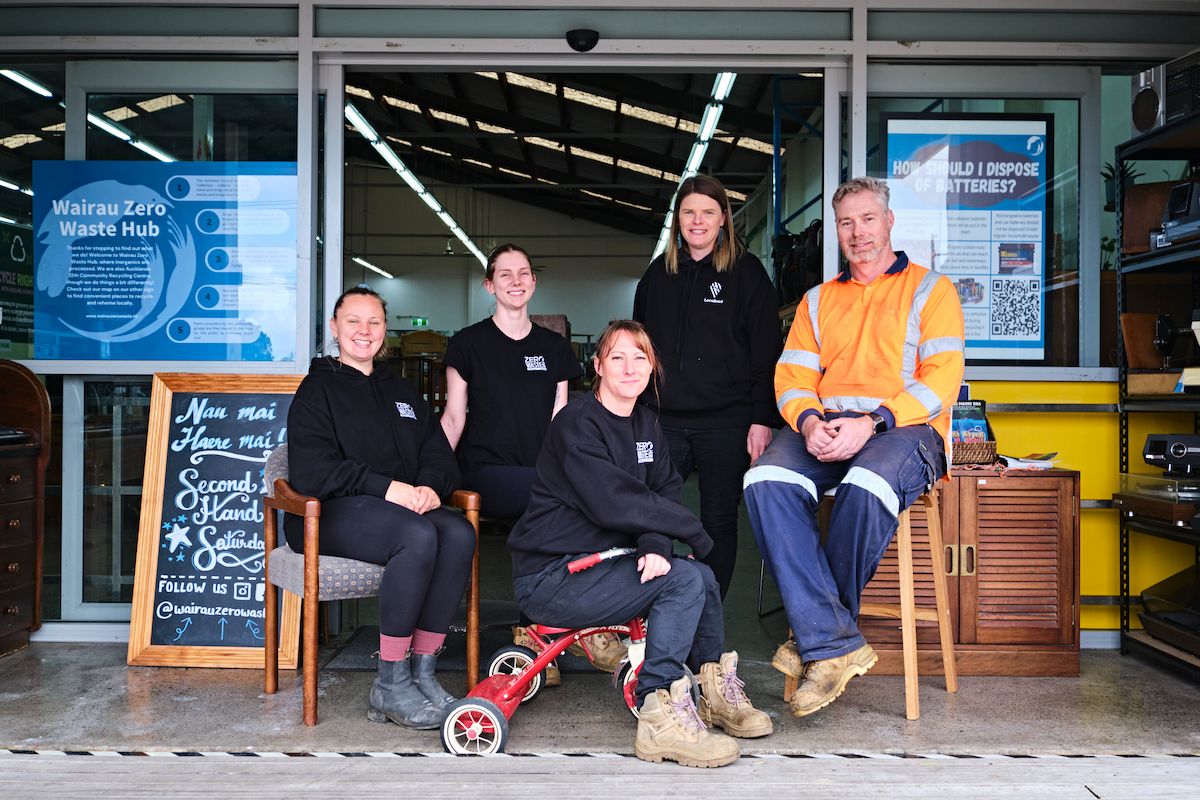
This aligns with the work of Zero Waste Aotearoa and our members. The local work we’re doing on this needs national rules and funding to help it grow. Local resource recovery centres are already showing what’s possible. They bring reuse, repair, composting and recycling together. They’re places to learn and connect.
We need to scale this work and spread it right across the country. To do this, we need stronger rules for those who make and sell goods. They should help pay for reuse, repair and recycling systems. For example, a deposit return scheme for drink containers. It’s one obvious step in the right direction. It would put the cost of collection on producers, not councils and communities.
But the Government should also use its buying power to help make the changes needed. It can choose goods and services that keep resources in use and help these systems grow. It can prioritise investments in community led waste solutions.
A national plan like the report suggests could build on all this local skill and knowledge. But for that to happen community groups, iwi, hapū, Māori businesses and small firms need a fair share of support.
There’s a host of other financial levers the government and local authorities can pull to support this shift. For example, investments from waste disposal levy funds should prioritise waste prevention. We want this money to support reuse, repair, composting and other waste-cutting work. That means funding services people can use. It also means helping people learn new habits, with less waste as the goal.
Circular by Nature gives fresh weight to the case for change. Sadly, a lot of research into the circular economy and its benefits has been left on the shelf by the current government. As the report points out, we need to keep the momentum going.