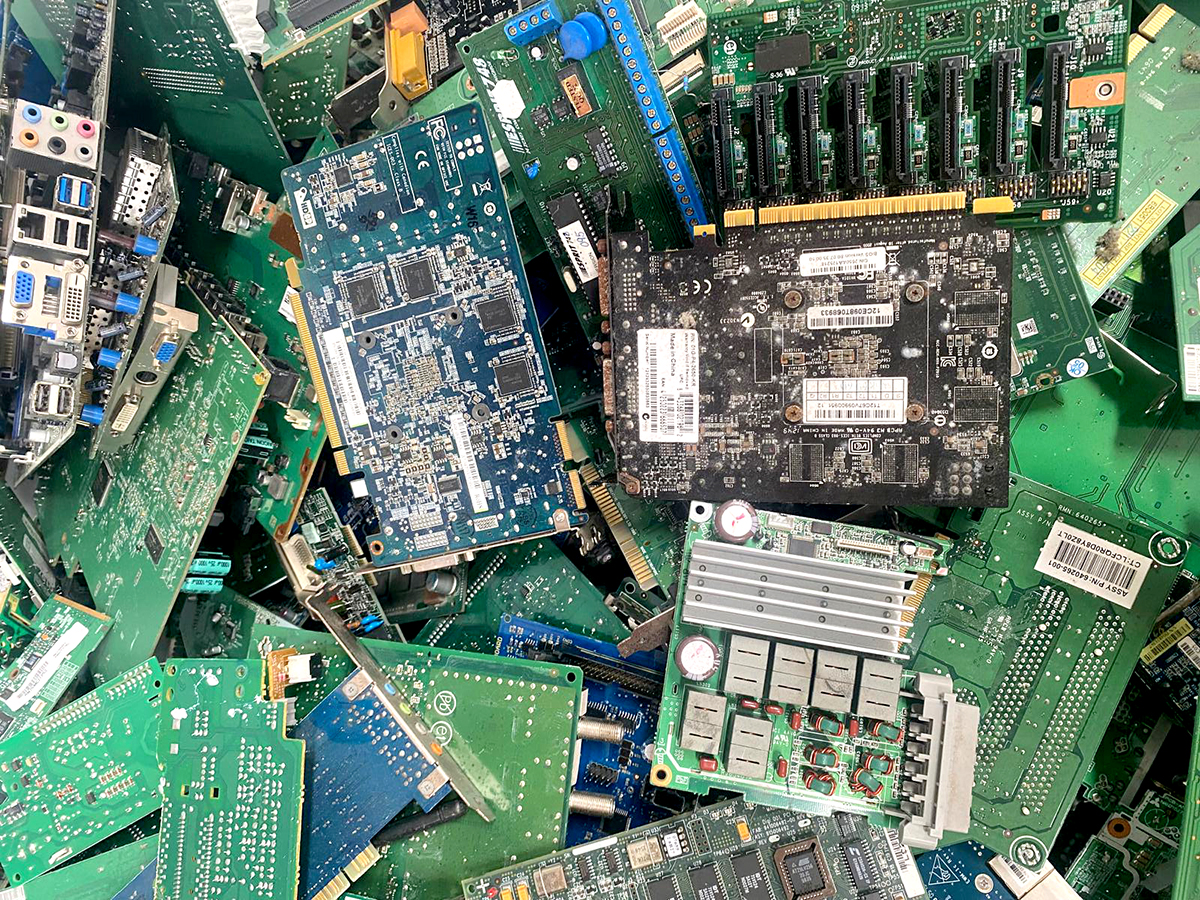
Basel Action Network (BAN) estimates that 395 to 617 million tonnes of AI-related electronic equipment could be retired worldwide between 2025 and 2050. Packed into shipping that would circle the Earth about six times.
Released in September 2026, the analysis looks beyond the computers that run AI. It also counts the equipment needed to keep them working.
AI relies on more than servers and chips. Data centres also need power supplies, cooling systems and network equipment.
BAN argues that earlier estimates missed much of this wider picture. Its analysis suggests the potential waste could be 40 to 60 times more than widely estimated. It all depends on how fast AI grows and how rapidly equipment is replaced.
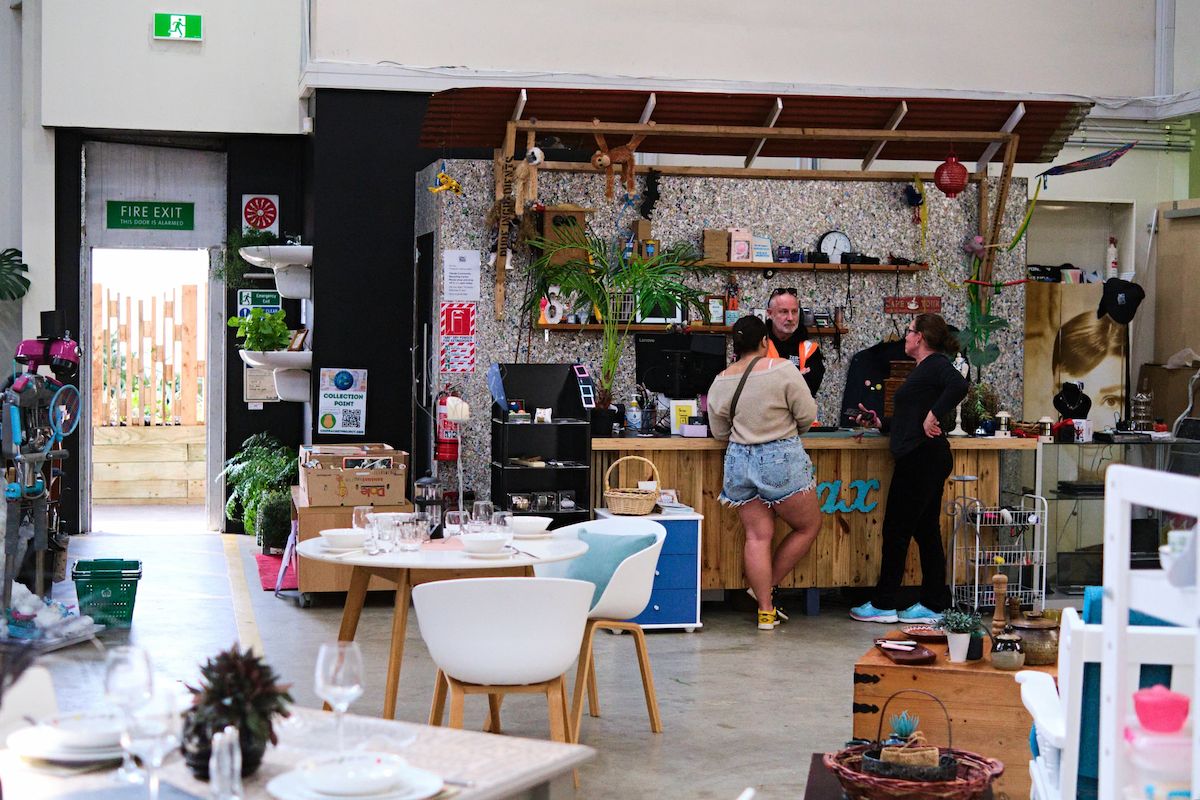
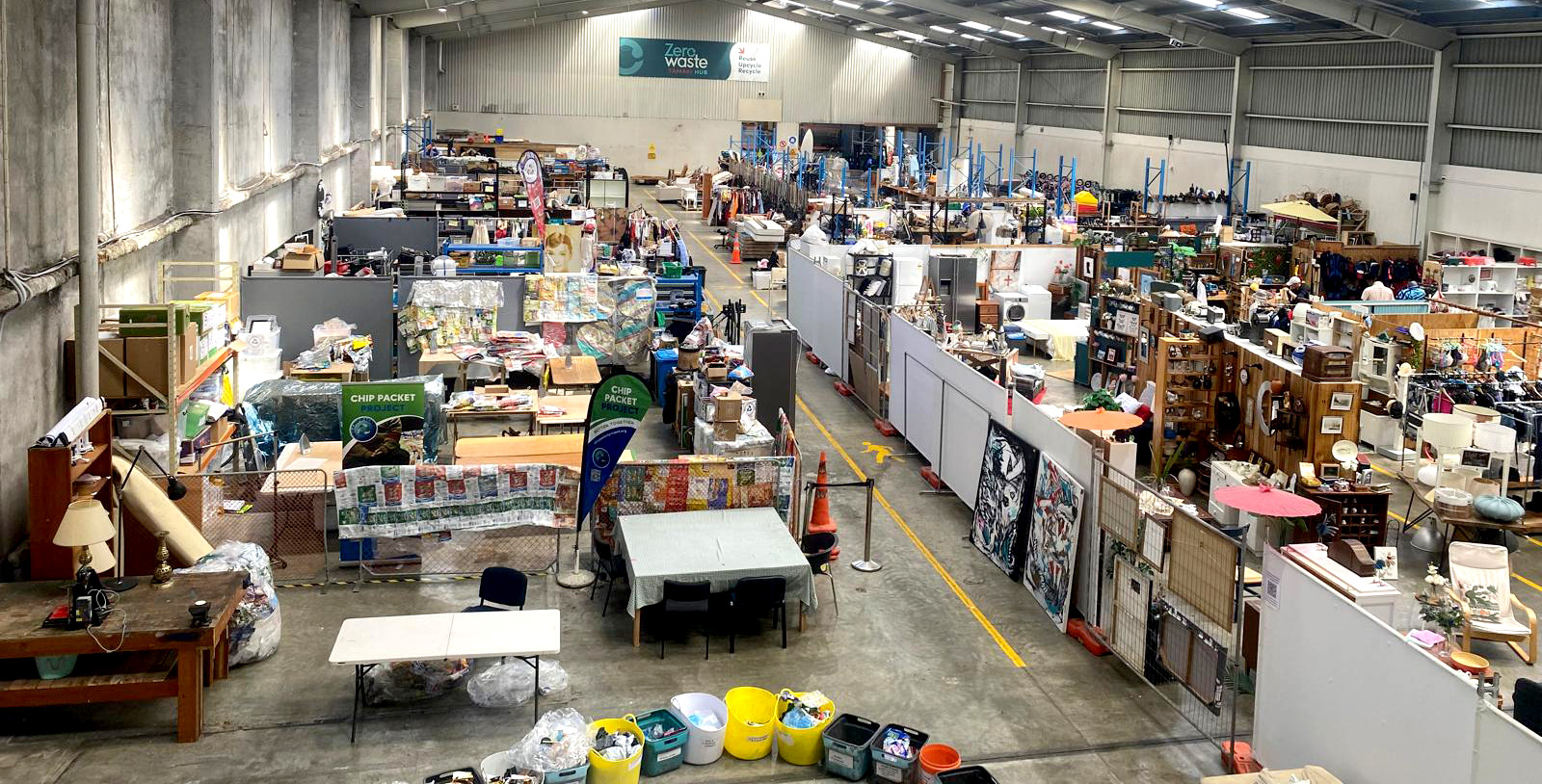
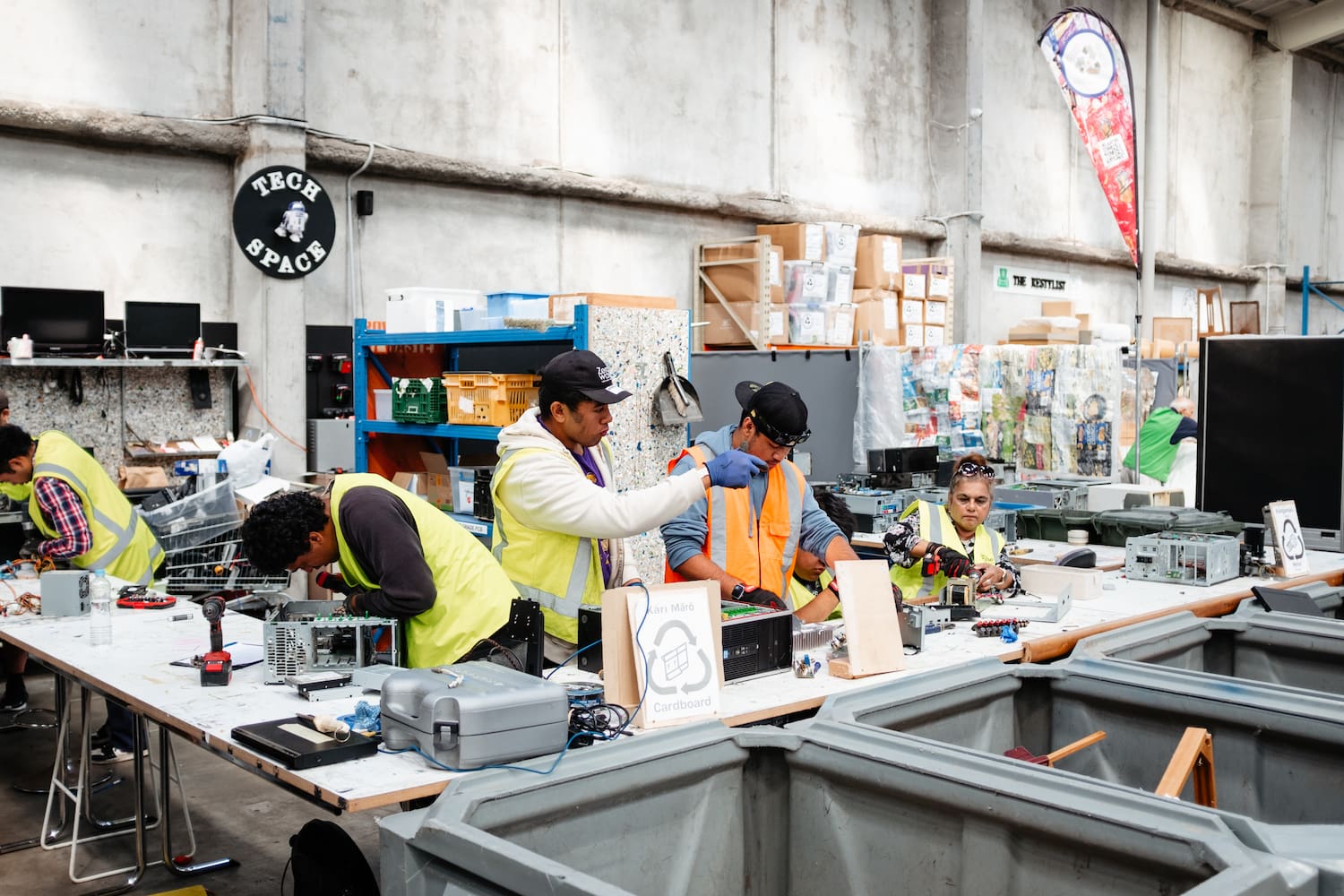
But retirement from such high demand installations doesn’t have to mean disposal. This sets the challenge of keeping useful equipment and parts in service. Zero Waste Aotearoa member Tāmaki Zero Waste Hub is already gearing up for it. The team has set aside dedicated e-waste reprocessing space at its Point England site in Auckland. They’re rapidly gathering the tools and expertise they need. They’re modelling how to reuse and recycle as much of this material as possible. This can include everything from entire machines and chip sets, to wiring materials from fully obsolete components.
Site manager Giulio Laura, says the scale is ever increasing: “We’re currently averaging about 18,000kgs of e-waste a month, and there’s been a steady rise since February 2026.”
For Zero Waste Aotearoa, the issue connects with a clear goal: move up the waste hierarchy. Prevention, reuse, repair and redesign need to come before recycling and disposal.
It’s yet another cause for concern, as data centres and other AI infrastructure are proposed for New Zealand. It seems little or no thought has gone into how to deal with the resulting rapid redundancy of machinery. Businesses tapping into these new technologies also need support to ensure they’re not lumbered with what they’ll tend to see as another waste disposal problem.
We should be designing a waste free future. This means those setting up the AI infrastructure need to take responsibility for the resources and materials they use. And that responsibility has to extend beyond the point of sale. It shouldn’t end the moment we start chucking computers in a skip.
Aotearoa already has a basis for stronger action. Electrical and electronic products became priority products under the Waste Minimisation Act in July 2020. That declaration provides a path towards regulated product stewardship. This means businesses take responsibility for the impacts of their products across their whole life.
Zero Waste Aotearoa supports mandatory product stewardship and stronger rights to repair. Our research also highlights the need for goods that last longer and are easier to fix.
There’s currently a major surge in the use of electronic equipment in business and at home. We urgently need rules that support repair, reuse and safe recycling of all that material. Suppliers should help fund these systems. They shouldn’t be leaving the costs to users and communities.